News from the Antique Jewellery Market: Trends, Value & Sustainability
Author: Veronika Poláková
The antique jewellery market has undergone significant changes over the past two years. It is influenced not only by economic and political instability, but also by technological innovation and the growing interest of investors in preserving value through tangible assets.
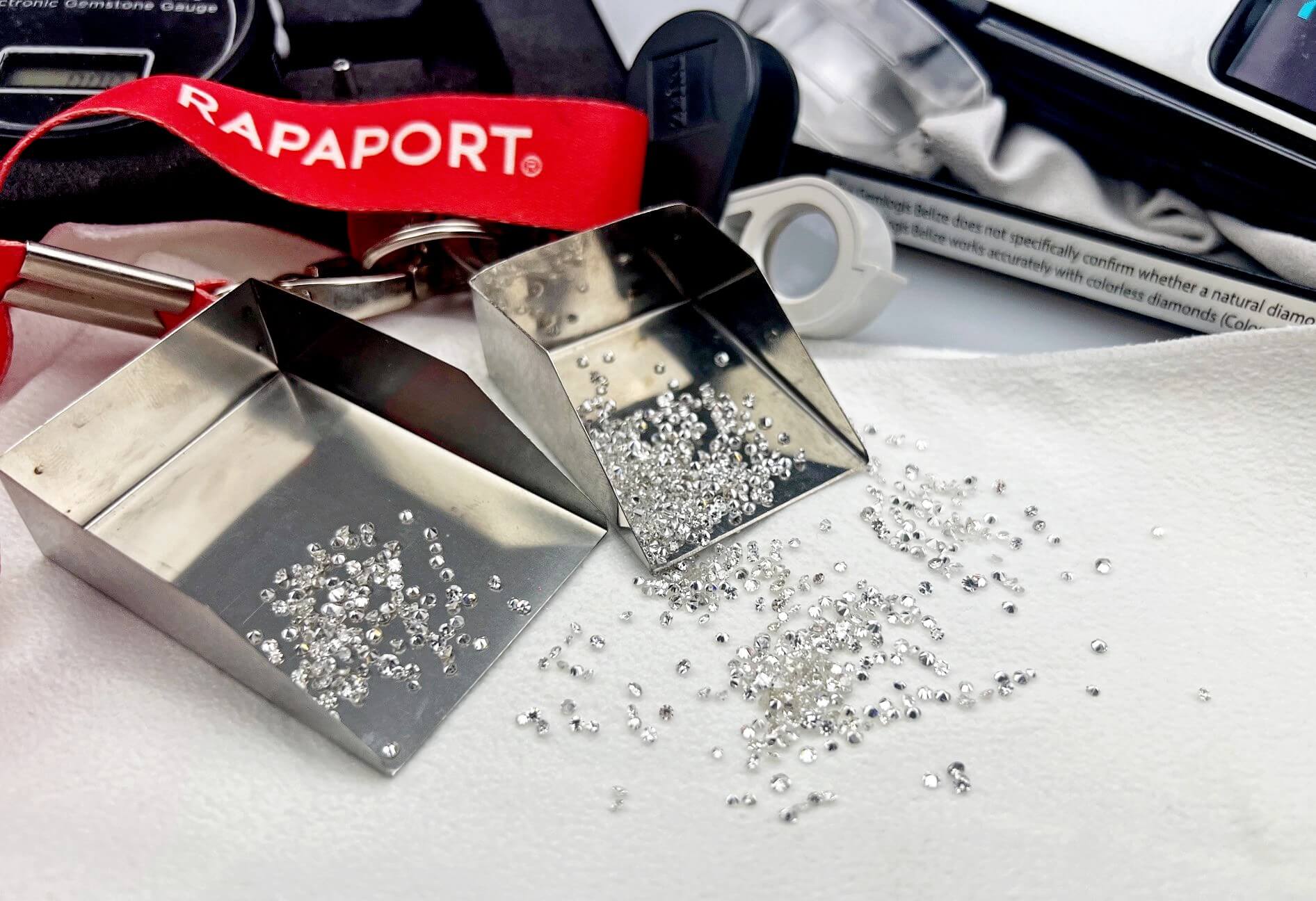
While synthetic diamonds have experienced a sharp drop in prices in recent times, increasing pressure across the entire diamond market, the prices of natural stones have also weakened due to oversupply and shifts in consumer behaviour (Rapaport, November 2023). At the same time, there is a growing interest in authentic, handcrafted jewellery with a traceable origin and a meaningful story behind it. This trend is also reflected in the art and antiques market, where demand for original and permanently valuable pieces continues to strengthen.
Synthetic diamonds, which in recent years have been presented as an affordable and “sustainable” alternative, are now facing a substantial decline in value. The price of one carat of a laboratory-grown round cut diamond of the highest quality (D, IF) currently stands at around 500 USD, while a natural diamond of the same parameters sells for approximately 12,000 USD (Gemguide, October 2025). A synthetic diamond therefore reaches only 4.2% of the value of a natural stone.
“Synthetic diamonds experienced a rapid rise, but their quantity ultimately works to their disadvantage. It resembles the situation at the beginning of the 20th century, when synthetic rubies and sapphires temporarily pushed down the prices of natural stones, but in the long term, their value actually increased,” says Martin Cinolter, owner of the Prague antiques shop Antiques Cinolter.
Despite marketing focused on the ecological aspects of production, laboratory-grown diamonds are not always more environmentally friendly. According to the Truecost Report (2019), their carbon footprint is more than three times higher than that of natural diamond mining – producing one carat of a laboratory-grown diamond releases on average 511 kg of CO₂ into the atmosphere, whereas mining a natural diamond produces 160 kg of CO₂.
Gold and silver prices, however, are breaking records. Economic and political uncertainty is driving the value of precious metals upwards. Gold, silver, and platinum have nearly doubled in value over the past five years.
● Gold has risen from 1,848 USD/ounce (September 2020) to 4,015 USD/ounce.
● Silver from 22.44 USD to 48.79 USD/ounce.
● Platinum from 848 USD to 1,593 USD/ounce.
(source: Kitco.com, 3 November 2025)
Goldman Sachs’ forecast from 30 September 2025, predicting that the price of gold could exceed 4,000 USD/ounce in the following year, was surpassed within a month – already in October 2025. A current Reuters analysis also suggests a possible rise to as much as 5,000 USD/ounce during 2026.
“Gold is once again proving to be a safe haven in times of economic turbulence. We are seeing growing demand from central banks, which are sceptical of the dollar and are seeking value in tangible, liquid assets – just like other investors and collectors. Interest in antique jewellery is naturally rising as a result,” adds Martin Cinolter.
Rising precious metal prices are also reflected in the higher value of antique jewellery, which combines rare materials with traditional craftsmanship. The greatest interest is currently in jewellery from the Art Nouveau and Art Deco periods. The elegant lines and timeless design typical of these styles are increasingly appearing in contemporary jewellery-making as well.
While the modern market tends towards fast consumption, antique jewellery represents the opposite – lasting value, handcraftsmanship, and genuine sustainability in the truest sense of the word.
Related products
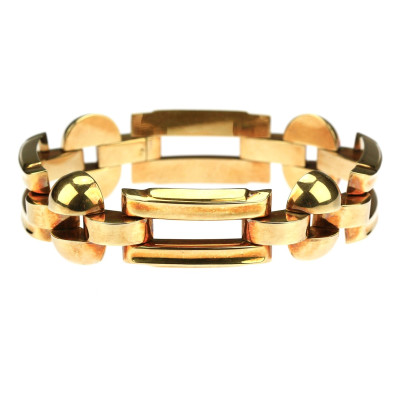
Art deco gold bracelet - Karat
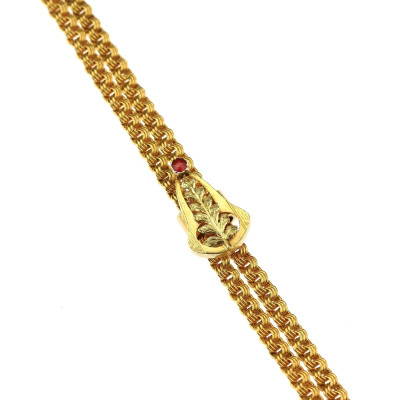
Long gold chain with slider
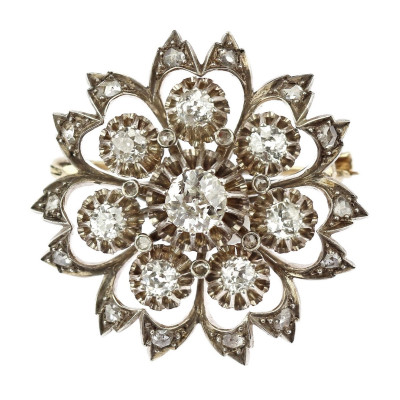
Flower diamond brooch - end of 19th century
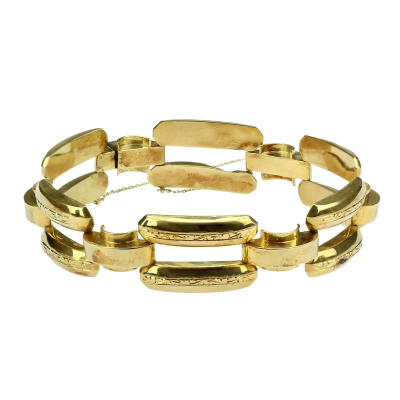
Gold art deco bracelet - 18,5 cm
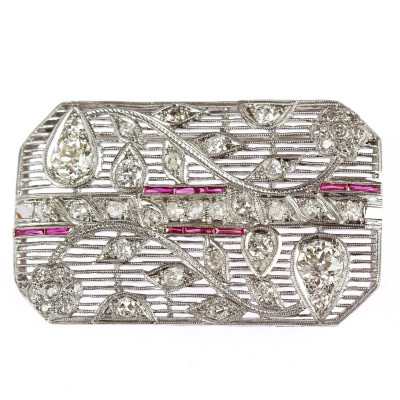
Art deco platinum brooch with diamonds and rubies
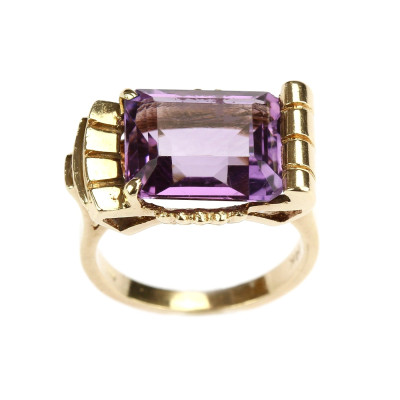
1940s gold amethyst ring
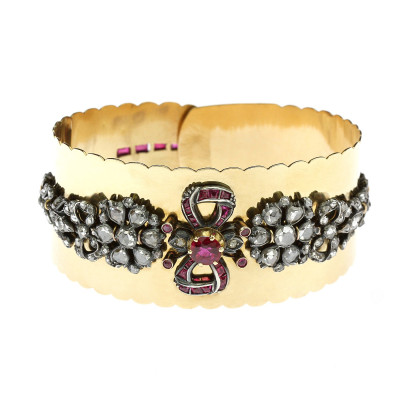
Gold bracelet with ruby bow and diamonds - 17 cm
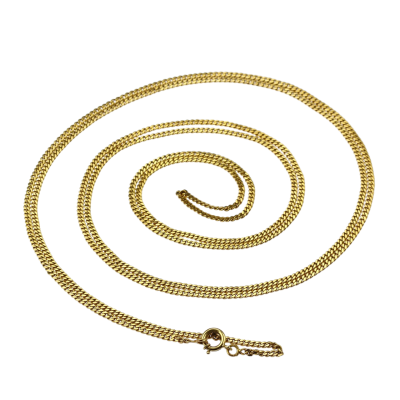
Austro-Hungarian gold chain - 160 cm
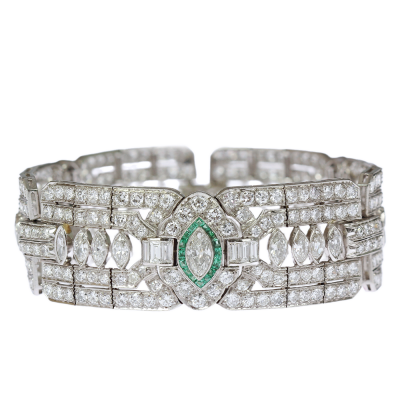
Art deco bracelet with diamonds - 21.60 ct
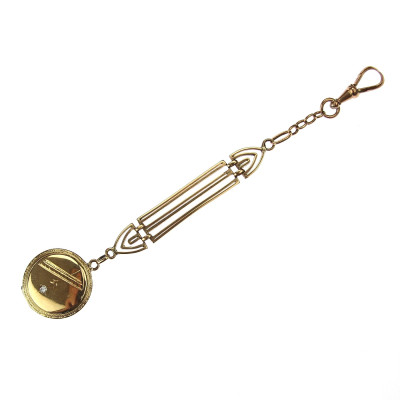
Gold chatelaine with medallion
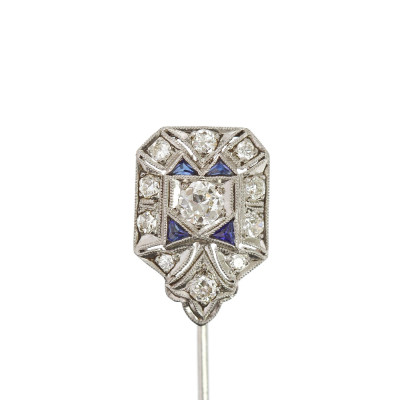
SOLD - Art deco platinum pin with diamonds and synthetic sapphires
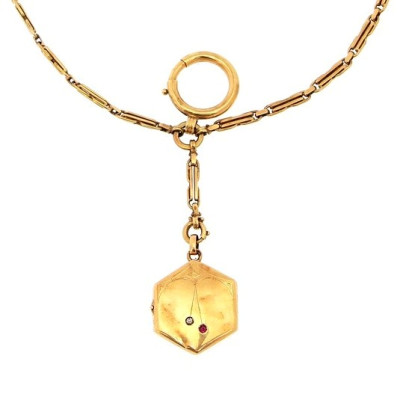
Art Nouveau gold chain with locket
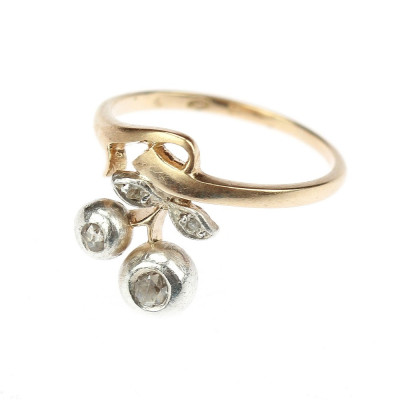
Art Nouveau rose cut diamond ring - Prague, early 20th century