
Different types of carat
Author: Magdalena Kořínková
Carat - a term we associate with precious metals and stones. We often assume that 18 carat gold is "better" than 14 carat, but do we actually understand what carats are and what exactly they mean?
A carat is a unit that indicates the fineness of a precious metal, but also the weight of gemstones or pearls. It is abbreviated as ct for weight and k for fineness. So you may find both abbreviations of carat in one piece of jewellery - for example, a 14k white gold ring with diamonds weighing 1.71 ct.
Carats growing on the trees
The carat as a unit of weight was historically derived from the weight of the locust bean seed or also the carob. These seeds, called kharrub in Arabic and kerātion in Greek, were used as weights - this is because their size and weight are very stable, and they were commonly available in the Mediterranean.
The carat became the measure of gold fineness in the late Roman period, when the solidus, a coin of pure gold, weighed 24 seeds (which was about 4.5 grams). A coin of pure gold weighing the same as the 24 seeds of the carob then weighed 24 carats, and so the designation of 24-carat gold as fine gold was adopted.
Carat as a unit of fineness
The original precious metals were obtained "purely from nature" - by panning or mining. Later, however, they began to be altered - for their colour or hardness. It was then that the need to define the fineness of a given alloy came onto the agenda.
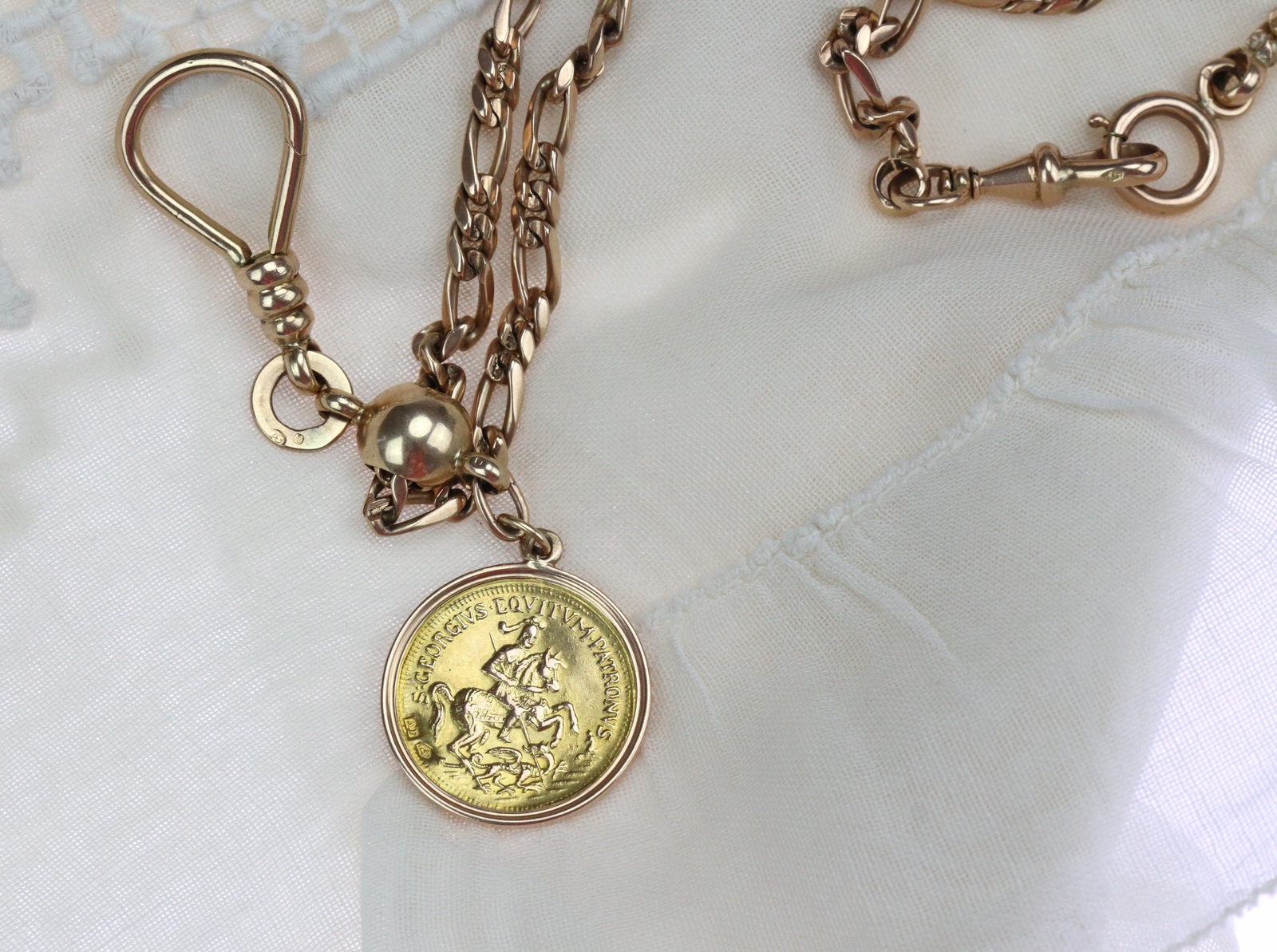
Nowaydays, the most common jewellery alloys used have a fineness of 18k and 14k. Pure 24k gold is almost exclusively used for investment gold. The reason for this is, among other things, that "high purity" gold is too soft. Interestingly enough, in neighbouring Germany it is common to see 9k gold, whereas in Arab countries you will hardly see jewellery made out of less than 18k gold.
Carat as a weight of precious gemstones
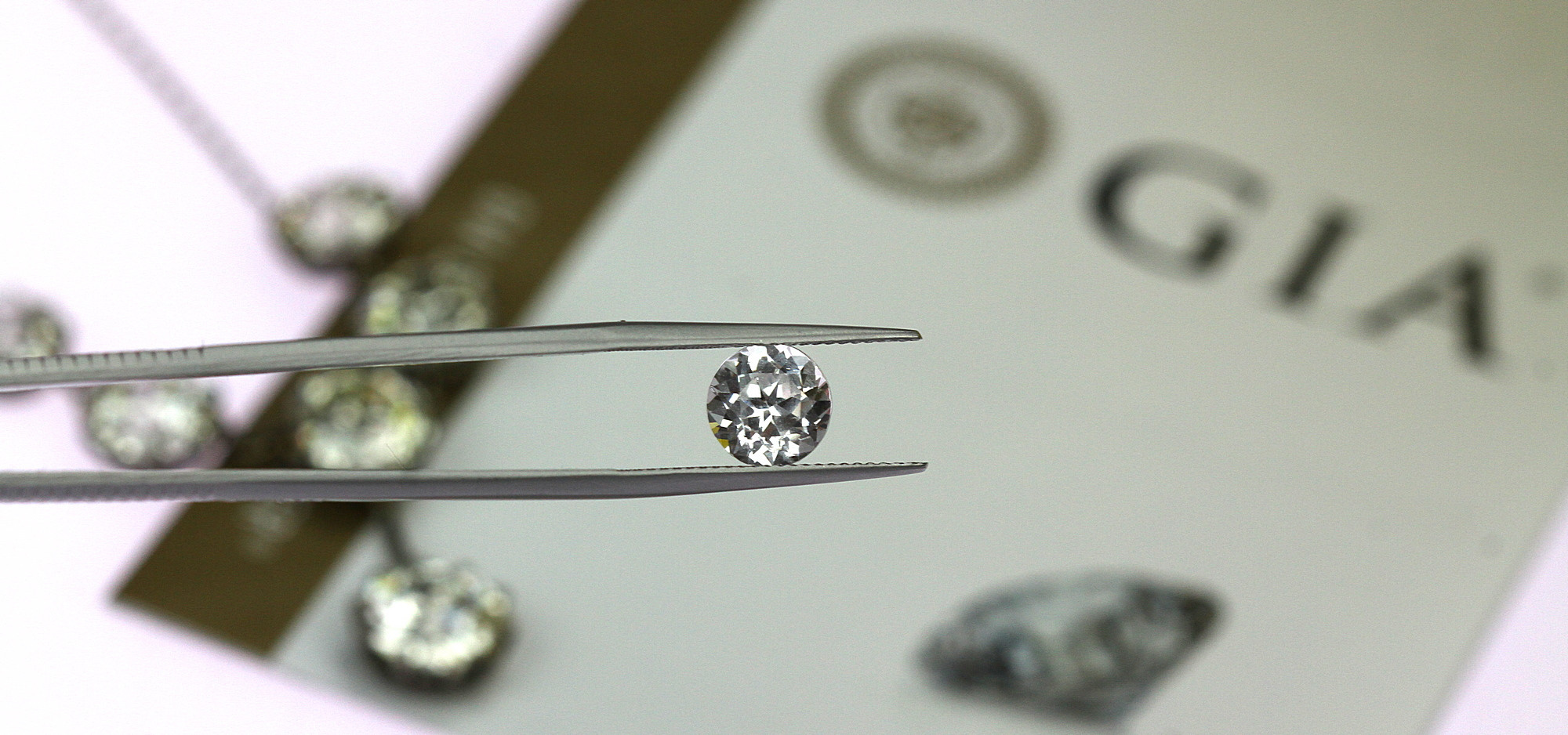
You can tell the difference between a carat as a unit of metal fineness and a carat as a unit of stone weight by the abbreviation you see on the jewellery. The abbreviation ct is used for the weight of the stone and is always expressed to 2 decimal places. One carat equals one fifth of a gram, which is 200 mg, and can be further divided by 100 points, where each point equals 0.01 ct.
For gemstones, weight is related to size, but the price of a stone is also related to other aspects such as clarity and colour, cut and shape - and nowadays whether the stone is natural or synthetic. If you're interested in the differences between the two, read our article where we covered this topic.

Hidden in the hallmark
You can find information about the metal fineness in the jewellery hallmark. The purpose of the hallmark is to inform us not only about the metal fineness, but also about the origin of the item and the fact that the jewellery has been inspected by a specialist authority.
Another marking you may encounter with precious metals is the thousandths ratio, e.g. 24k gold = Au 999/1000, 14k = Au 585/1000 or 18k gold = 750/1000. For 14k gold the fineness can be simply marked by 585, for 18k it can 750 and for 24k, 999. Make sure to look out for the hallmarking, it can make your purchasing decisions easier. 
The carat as the official unit of measurement for precious gemstones was adopted in 1907, but it is not part of the SI system. For gemstones that are already set in jewellery, it is difficult to determine their exact weight. For this reason, it is necessary to allow for a possible minimum variation in weight or colour, as the colour of the metal influences the colour of the gemstone. Therefore, we do not recommend buying or selling antique - or indeed any - jewellery "over the internet" from private, unverified sellers, who are not professionals. The value of the jewellery must always be confirmed by experts or the authorities, otherwise you risk being deceived as a buyer and as a seller.
Buying jewellery from us at Antiques Cinolter is a certainty you can rely on.
