Do you also have treasures at home?
Author: Magdalena Kořínková
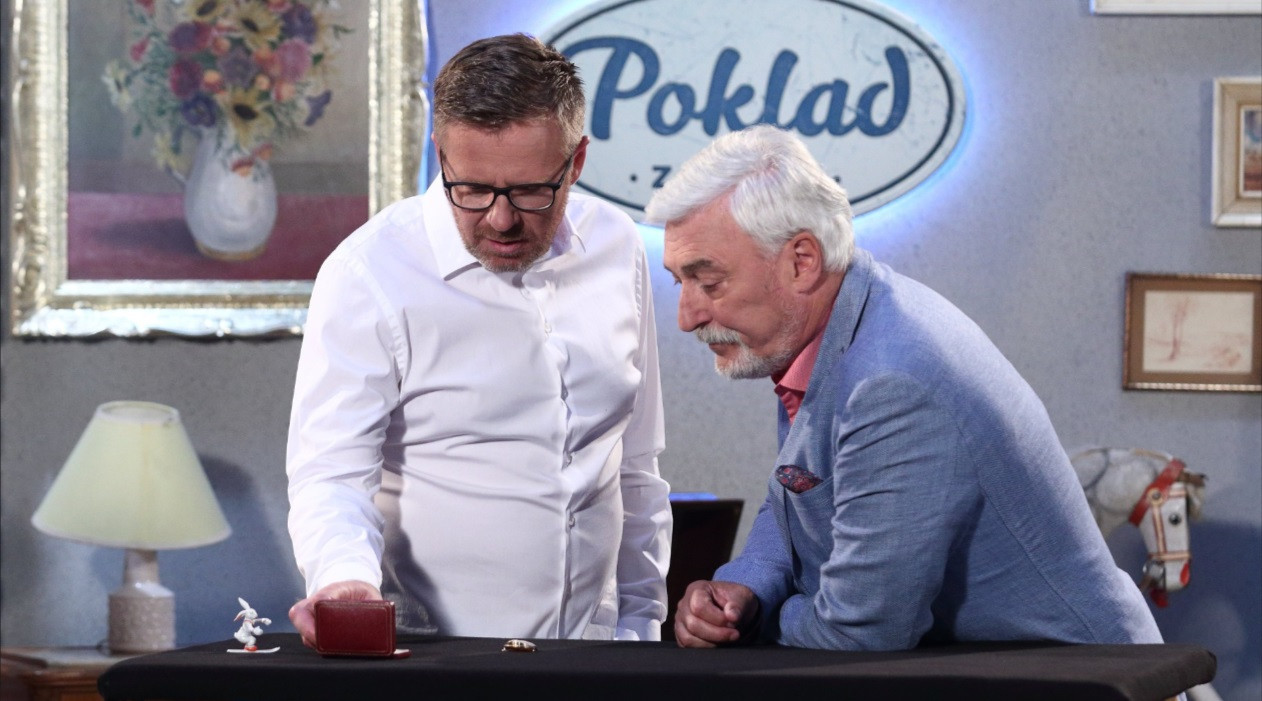
You might also have hidden treasures at home, in your cottage, or perhaps at your grandparents’ place, just waiting to be brought down from the attic, dusted off, and appraised. If you’re unsure what to do with them, we have good news: the popular TV show *Treasure from the Attic* (Poklad z Půdy in Czech) is returning to your screens with new episodes to help you discover whether your item has historical, artistic, and of course, financial value.
Experts on Maiselova Street in Prague

Photographs Are Never Enough
Just like on the show, even off-camera it’s crucial for an expert to inspect the item in person. For porcelain and glass, signs of use and any manufacturer markings are evaluated. A thorough examination is also necessary for other items of applied and fine art.
When a Stone Isn’t a Real Stone: Verneuil’s Synthesis Discovered in the Late 19th Century
That descriptions, photos, or videos really aren’t enough to assess the value of jewellery, we can illustrate with an example (something we often encounter at Antiques Cinolter), where a family believes a description of a piece of jewellery passed down through generations, but it turns out to be different from what they thought. The most common mix-up is between natural and synthetic stones, or even glass. With rings from the First Republic era, it’s often mistakenly assumed they’re adorned with natural aquamarines, but they’re actually synthetic blue spinels. This changes the value significantly, as the prices of natural stones today are much higher than synthetic ones.
Even greater disappointment can occur when an expert reveals that the stone isn't a stone at all – neither natural nor synthetic – but just ordinary glass. Unfortunately, these situations aren’t rare. In the past, our ancestors often faced significant financial losses, so they had to find ways to cope while maintaining appearances. A common solution was to remove the precious stone and sell it. The jewellery was then “adorned” with glass. It still looked beautiful and valuable, and the glass "stone" wasn’t distinguishable from the real one at first glance. But the value of the jewellery was minimal. Since this was often kept quiet, glass-embellished jewellery was passed down through generations as a highly valuable antique.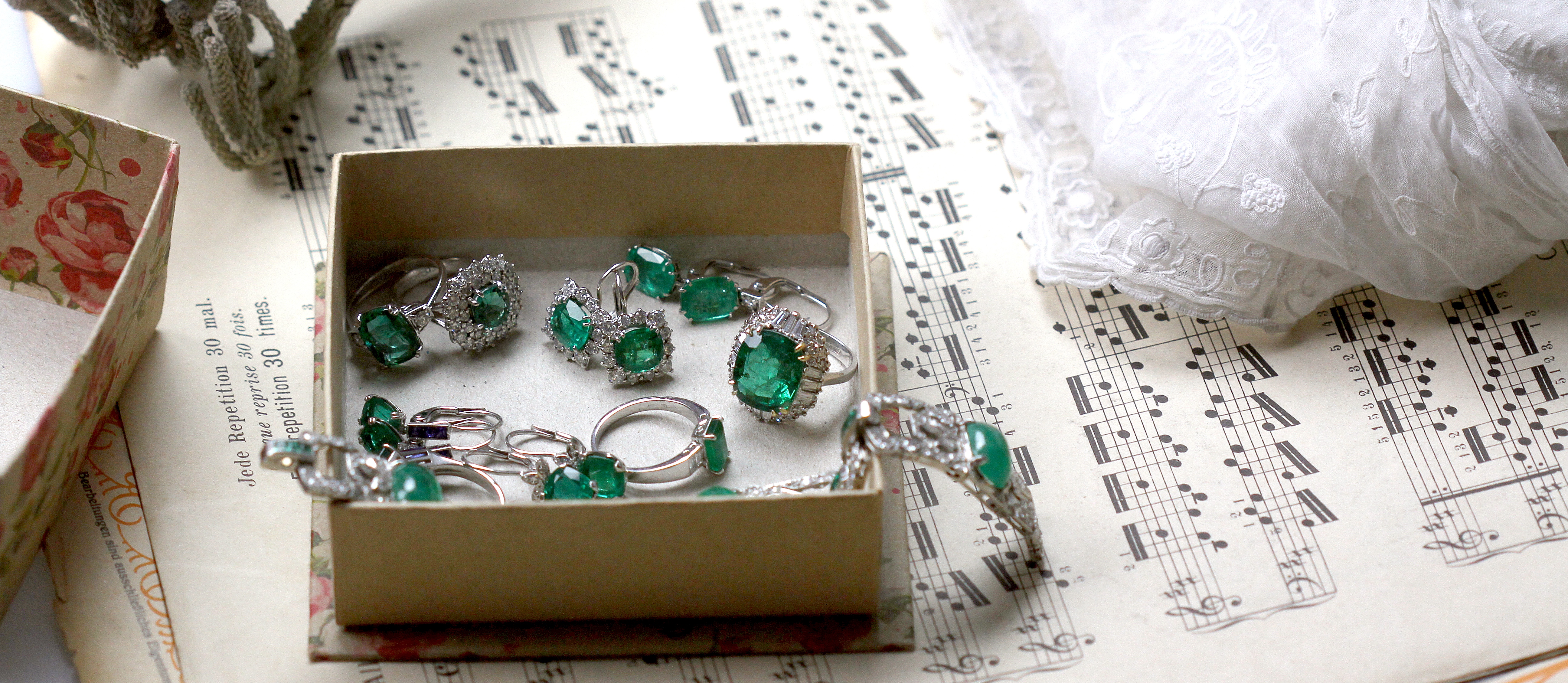
The Experienced Eye of an Expert and Modern Technology
When a Treasure Isn’t a Treasure
Related products
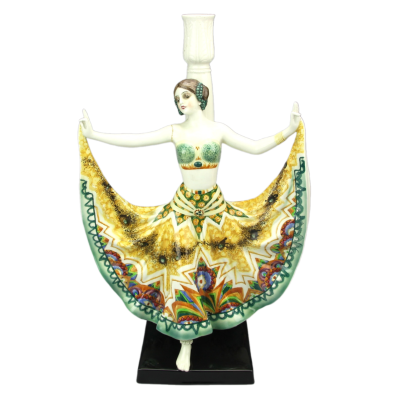
Dancer figure - Goldscheider