

What exactly is an antique?
Author: Magdalena Kořínková
Porcelain set from my great-grandmother, ring from my grandmother, necklace from my mother, a vintage car from my father, or toys from our own childhood. How can we tell what is an antique and what isn't?
Antiques, also known as antiquities or heirlooms, are items that are at least 100 years old.
Antique, vintage, retro... what's the difference?
The word antique literally translates as "antique" and usually refers to items over 100 years old. In Czech, we refer to these items as antiques, although the term antiquity may also be used.
Collectible can be translated as a "collector’s piece," referring to items less than 100 years old.
Vintage refers to items no older than 25 years, or older items that later came back into fashion. Did you know, however, that the term was originally used for vintage wines?
Other terms associated with antiques include replicas – items made today based on period designs, and lastly retro – new items made in an old style.
What does an antique look like?
Antiques include paintings, oils, drawings and prints, sculptures, including those made from materials no longer in use (e.g., ivory), furniture, interior decor including textiles and carpets, glass, porcelain and ceramics, tableware and cutlery (mainly of precious metals, but also bronze, brass, or pewter), religious and ritual items, clocks and watches, jewellery including metal or glass costume jewellery, clothing, accessories, footwear, smoking accessories, coins, medals, orders and decorations, books, craft and other tools including kitchenware, vehicles, lighting, musical instruments, weapons, cases, and containers – even advertising ones.
These are items that have collector’s or historical significance, and we categorise them into various sectors of fine arts, crafts, or industrial design that are no longer produced or used. They are typically made from natural materials, often by hand or in traditional workshops.

When did people start being interested in antiques?
Surprisingly, since antiquity. Collecting boomed during the Renaissance, as wealthy patrons, collectors, and scholars decorated their estates with historical items. This trend continued through the Baroque and Enlightenment periods when the first museums and galleries began to open to the public.
As factory production developed over time, interest in handcrafted items rose significantly – as did their value. Distinguished antique shops offered unique items of the highest quality, aimed at wealthy collectors, galleries, or museums. For these items, style, material, craftsmanship, dating, or signatures were all valued. Even less affluent lovers of historical objects could find almost anything they desired from street vendors or sellers at flea markets.
Antiques, both in the past and today, are popular targets for thieves. Every collector should document, secure, and insure their collection.
Look after your antiques
To preserve an antique’s beauty and value, proper care is essential. If an item is damaged, it should undergo professional restoration; if in good condition, it should be conserved. But this is no small task: Restoration is a process that can only be undertaken by university-trained conservators licensed by the Czech Ministry of Culture. They are also required to conduct thorough research, photographic and written documentation, archive it, and provide it to the owner.
Then there are antiques, like glass, porcelain, cutlery, or jewellery, that owners can still use. These items require special care, such as never washing porcelain in the dishwasher and having jewellery cleaned or repaired only by professionals – such as us at Antiques Cinolter.
TIP:
How to become an antique dealer?
How to become an antique dealer?
If you're drawn to the combination of history and art, you can join “one of us.” Training is available at the professional antique school – Rudolfinská Akademie, at the Secondary School of Artistic Crafts – Antiques Trade programme. If you're more interested in art itself, Art History or Curatorial Studies may be suitable for you. Or perhaps conservation is your passion – with Restoration and Conservation courses at both the secondary and higher education levels.
Where to Find the Finest Antiques?
If you’d like to acquire a historical gem, you can turn to renowned auction houses (e.g., European Arts, Galerie Kodl, Vltavín, Brandl, Aukční dům Sýpka, Galerie Dolmen, 1. Art Consulting Brno-Prague, Aukční dům Zezula, Dorotheum, Christie’s, or Sotheby’s). You may also visit reputable antique shops, where you can be sure you’re dealing with highly trained professionals.
In addition to obtaining an artistic treasure, acquiring an antique also offers historical value as well as a significant investment asset.
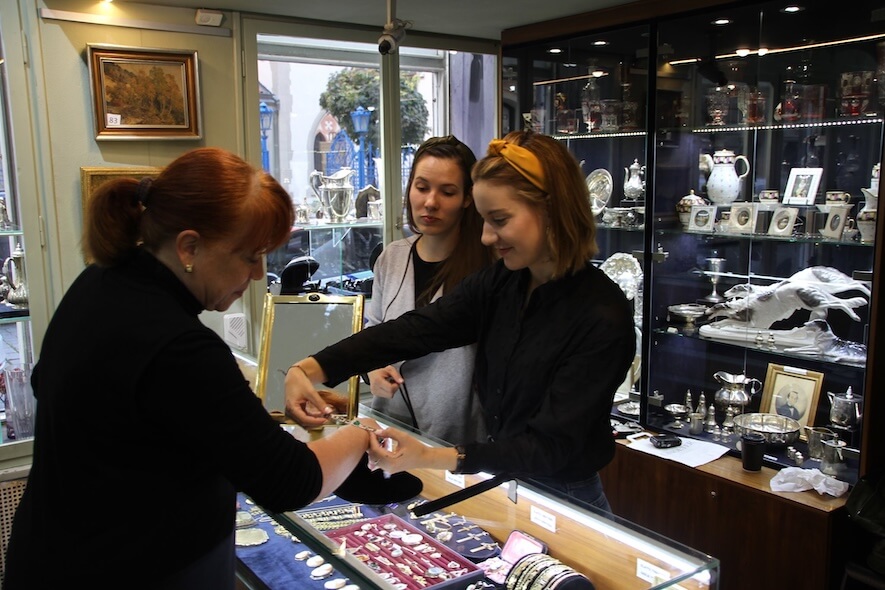
Interested in investing but unsure where to start? We’d be happy to advise you. Perhaps begin with this article.
Do You Own Antiques?
If you own an item with a bit of history, congratulations! Your attic might be hiding treasures whose worth you’re uncertain about. You may want to keep them, or perhaps sell them – sometimes, it all depends on their value, which you might not yet know. So, what’s the best approach?
We strongly recommend against buying (or selling) items of unconfirmed value from experts or officials “just on the internet.” You could end up on the wrong side of a deal, both as a seller and a buyer. Ideally, take your item to one of the auction houses (which offer free antique appraisals), consult the Czech Association of Antiques Dealers, visit the ANTIQUE fair (when things return to normal), apply for the "Treasure from the Attic" programme, or contact a reliable antiques dealer. We at Antiques Cinolter would also be delighted to review, assess, and, if appropriate, purchase or assist in the sale of your item.
Related product
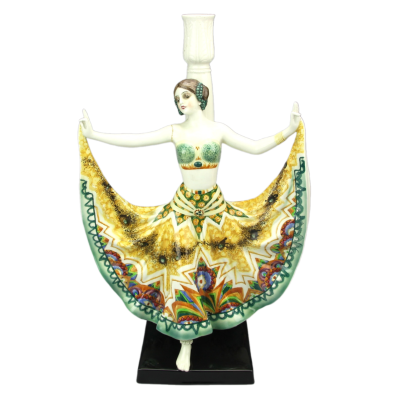
Dancer figure - Goldscheider
Price: 80,000 Kč
Figure of a dancer in very good condition was designed for the Goldscheider...
