
Gold as both a jewel and an investment
Gold is a timeless certainty. Although it is a value proven over centuries, unageing, and virtually indestructible, with a long-term rising price, experienced investors advise that it should not constitute the majority of an investment portfolio.
You might wonder—why not rely solely on this gleaming metal? The year 2020 has been, and will continue to be, pivotal in many respects, including economics. For years, most nations have been printing large amounts of money backed by nothing (except trust). The situation has been further exacerbated by the current global health crisis.
Money was backed by gold until 1971, when the gold standard was temporarily abolished by Richard Nixon, leading to money no longer being tied to gold and relying solely on public trust in the state.
When a crisis hits, gold prices rise, and stock prices—generally speaking—fall. In a growing economy, stock prices rise, and gold prices tend to fall. Many central banks, including the Czech National Bank (CNB), have started buying gold. One reason is that banks themselves are losing trust in the value of money. Years ago, when gold prices began to rise, the CNB quietly sold 14 tonnes of its gold reserves (currently holding only 9 tonnes). It surely regrets this decision now.
This is one reason why, in the long term, investing in jewellery (provided it is purchased at the right price) seems a better investment, especially in times when the threat of economic turbulence looms.
Which form to choose?
We certainly don’t intend to frighten you. However, we do believe that sound advice is worth its weight in gold. Investments are often the best way to not only secure but also grow your wealth in uncertain times. If you choose to invest in gold, let’s discuss the forms it can take.
Gold can be acquired in various forms: bars, ingots, coins, medals , shares in mining or processing companies, or jewellery. Whichever option you choose, you won’t go wrong.
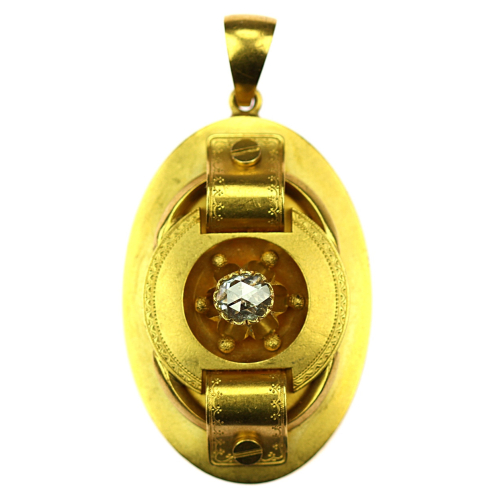
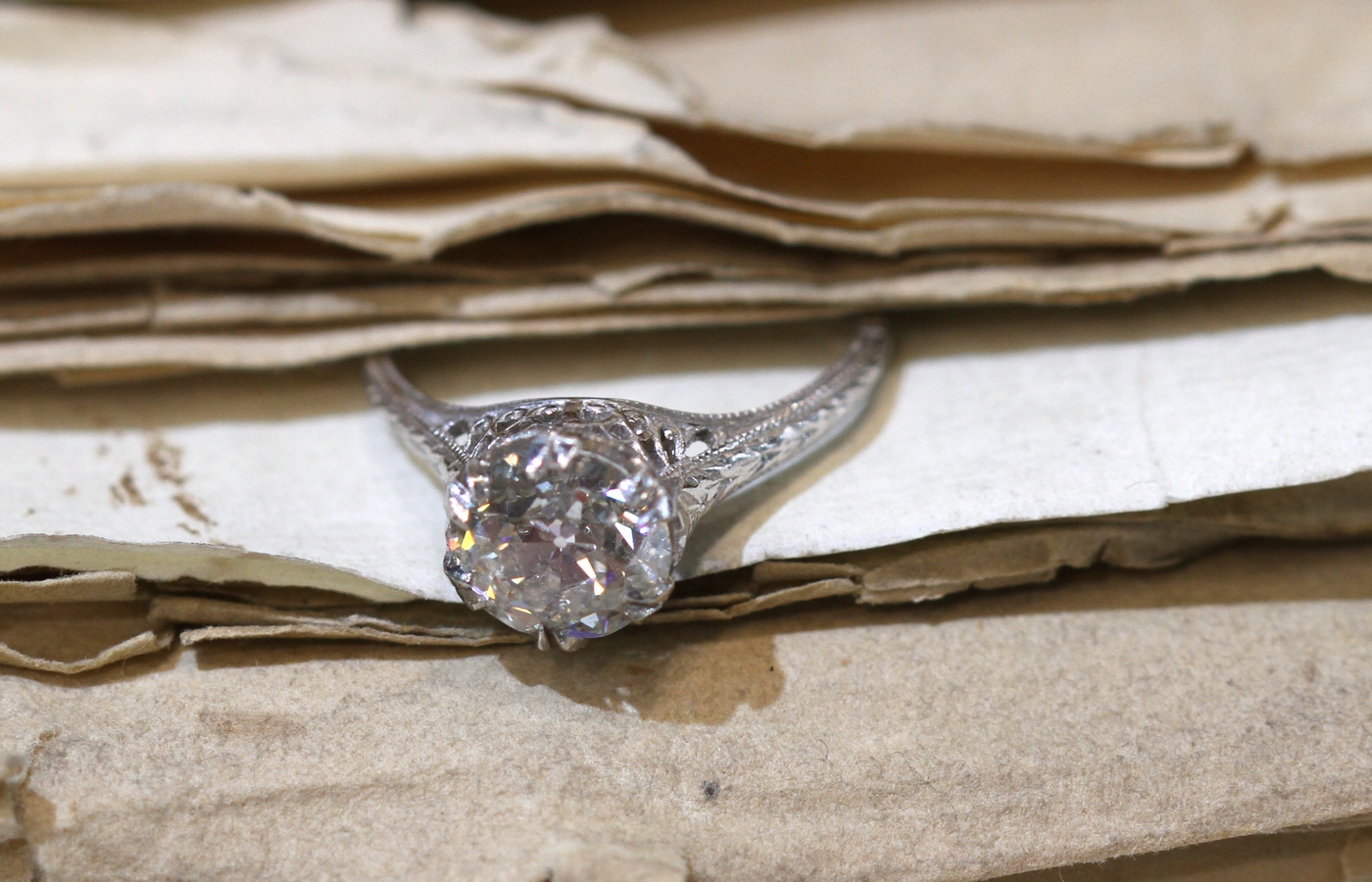
Additionally, with jewellery, you not only acquire inherent value but also artistic value, especially if it’s antique jewellery. Antique pieces not only retain their value but often appreciate over time. Unlike a gold bar, a piece of jewellery can accompany you to a social event, enhancing your style. Beauty, value, and historical significance all in one—an irresistible combination!
A gentleman enhances a lady’s elegance, and a lady enhances her gentleman with the perfect jewellery (chosen by him).
There’s no better gift for a lady than a carefully chosen gold piece. Whether it’s white, yellow, or rose gold, extravagant or subtle, it all depends on her taste. Antique jewellery holds significant historical and craftsmanship value. Exquisite designs, old techniques, and stone cuts are rarely found in modern jewellery. Antique pieces also carry their own story. Isn’t such a piece a better conversation starter than small talk about the weather or current events?
Gold coins
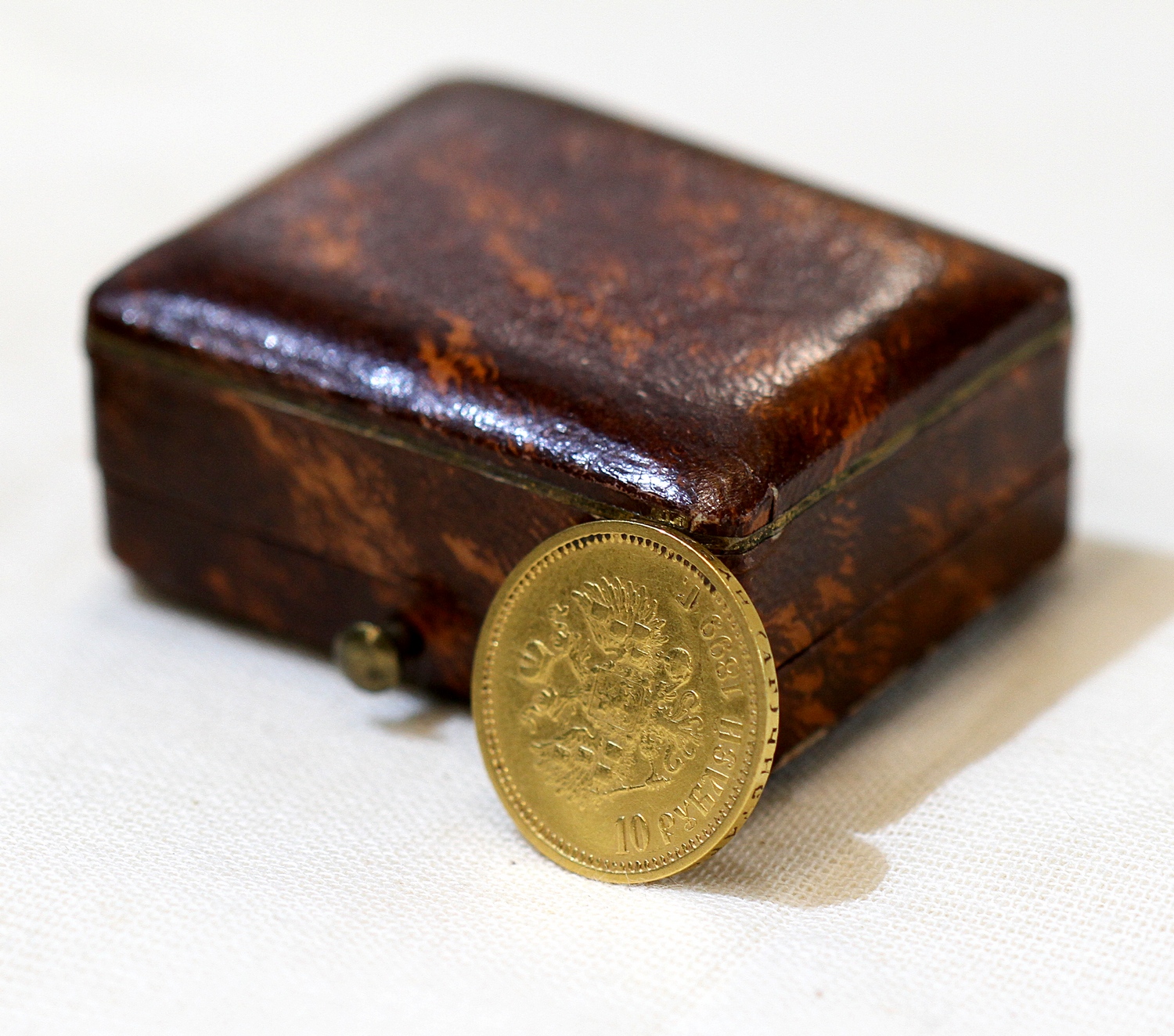
If you prefer to store your investment in a vault, coins are an excellent option. Their indisputable advantage is that they can be sold quickly, anywhere, and practically immediately. Coins can be divided into:
· Historical coins (former currency)
· Investment coins, where the purchase and sale depend on current gold market prices (e.g., the South African "Krugerrand" or Austrian "Philharmonics")
· Commemorative coins, issued by governments with guarantees of purity and limited quantity; they have a fixed nominal value for purchase or resale but can appreciate over time
Rare coins
Rare coins appreciate significantly more due to collectors’ willingness to pay hefty sums. A prime example is the steadily rising value of numbered St. Wenceslas ducats from 1923.
Gold medals
For a higher-end investment, consider medals. They are often struck to commemorate significant historical events, such as victories in war or notable moments. They often have collector’s value, which can increase significantly over time.
Did you know…
… in 2019, the most expensive antique item sold at auction was a gold medal? It was a medal of Russian Tsar Alexander I, sold for 1.4 million CZK.
The main difference between a gold medal and a coin is that unlike coins, medals are not exempt from VAT. Medals are generally bought or sold for collector's purposes. They are more about artistic passion – similar to art lovers and collectors of paintings.
And if you have some golden treasures at home...
Do you have necklaces, rings, scraps of gold, or perhaps gold coins at home and are unsure what to do with them? You can bring them to us, and we’ll buy them from you, paying the value of the gold. Alternatively, unused gold can be reworked into something that will bring you joy every day. Entrust it to the skilled hands of our talented goldsmiths.
Related products

Double walled glass decorated with a gold foil, around 1730, Bohemia