Diamond cut
Author: Magdalena Kořínková
Do you know what the Greek word "adámas" means? It means indestructible. And it is from this word that the word "diamond" originates. There must be some truth in it, because the diamond is the hardest natural material. The quality of a diamond is determined by its clarity, colour, weight, and cut. So, let's delve into this topic a bit.
Diamonds were once the domain of rulers, who even believed in their magical powers. Even today, diamonds are symbols of wealth and power, but also of love. Diamond jewellery is inextricably linked with life-changing events – just think of engagement. Once, a company cleverly marketed the idea that an engagement ring should be worth at least one month’s salary. Over time, this price rose to three months’ wages. Let’s be honest, a diamond ring isn’t a cheap trinket, but it doesn’t have to break the bank either.
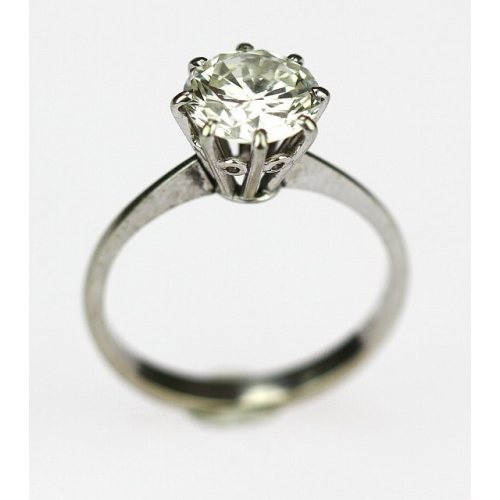
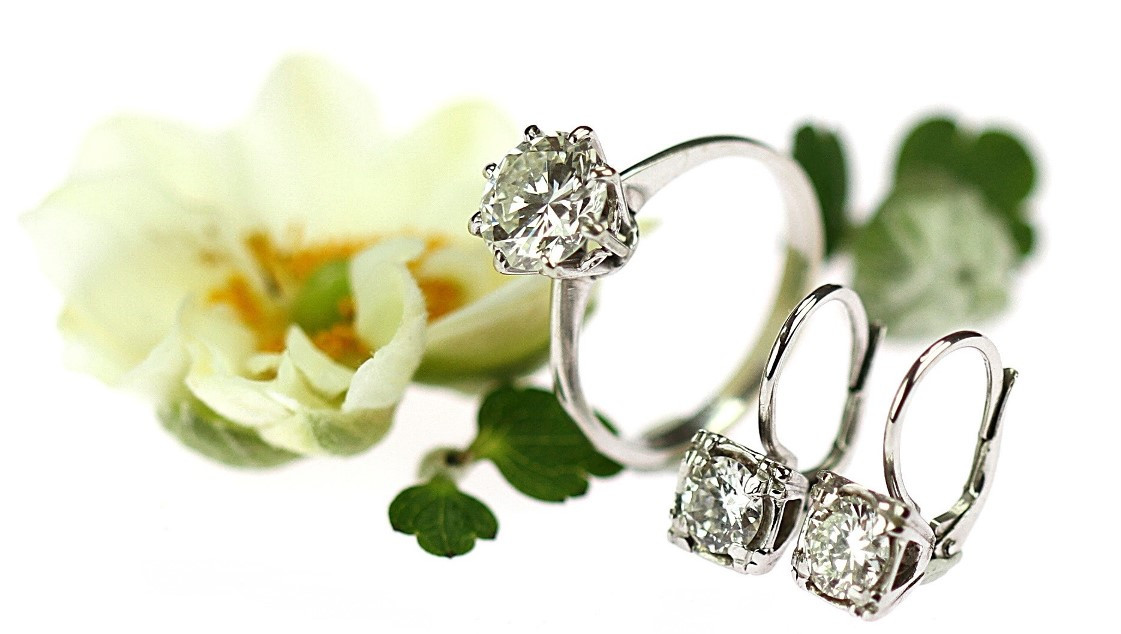
But let’s clarify the terms. A diamond is a raw mineral (a crystalline form of carbon), which is mined, for example, in Africa, Canada, or Russia. Due to its unique hardness, it is used to make abrasive diamond discs. However, the production of jewellery ensures the majority of the market for these "treasures." For jewellery purposes, the diamond must undergo a special cut. The most famous of these is the so-called brilliant cut.
The modern brilliant cut has just celebrated its 100th anniversary. It probably won’t surprise you that this originally French word means "sparkling." This precise diamond cut has 57 facets. The specific arrangement of these facets creates a shape that reflects light in perfect intensity and colour spectrum.
This polished beauty then travels into jewellery, adorning the fingers of eager fiancées. And once it’s set, it’s not so easily removed.
Related products